
- +91 98977 66886
- info@wildrootscorbett.com
Canter Safari
Jim Corbett Canter Safari Booking
Description
Dhikala Canter Safari is one of the best ways to experience the untouched natural beauty of Jim Corbett National Park, located in Uttarakhand. The Dhikala Zone is named after the vast Dhikala grassland, which is the largest grassland within the Corbett Reserve landscape. Known for its rich biodiversity and scenic charm, this zone is considered one of the most breathtaking eco-tourism areas in the park.
As the largest zone in Jim Corbett National Park, Dhikala boasts expansive grasslands, dense sal forests, narrow valleys, and several channels of the Ramganga River. The zone is especially popular for its panoramic valley views, stunning landscapes, and excellent opportunities for wildlife sightings.
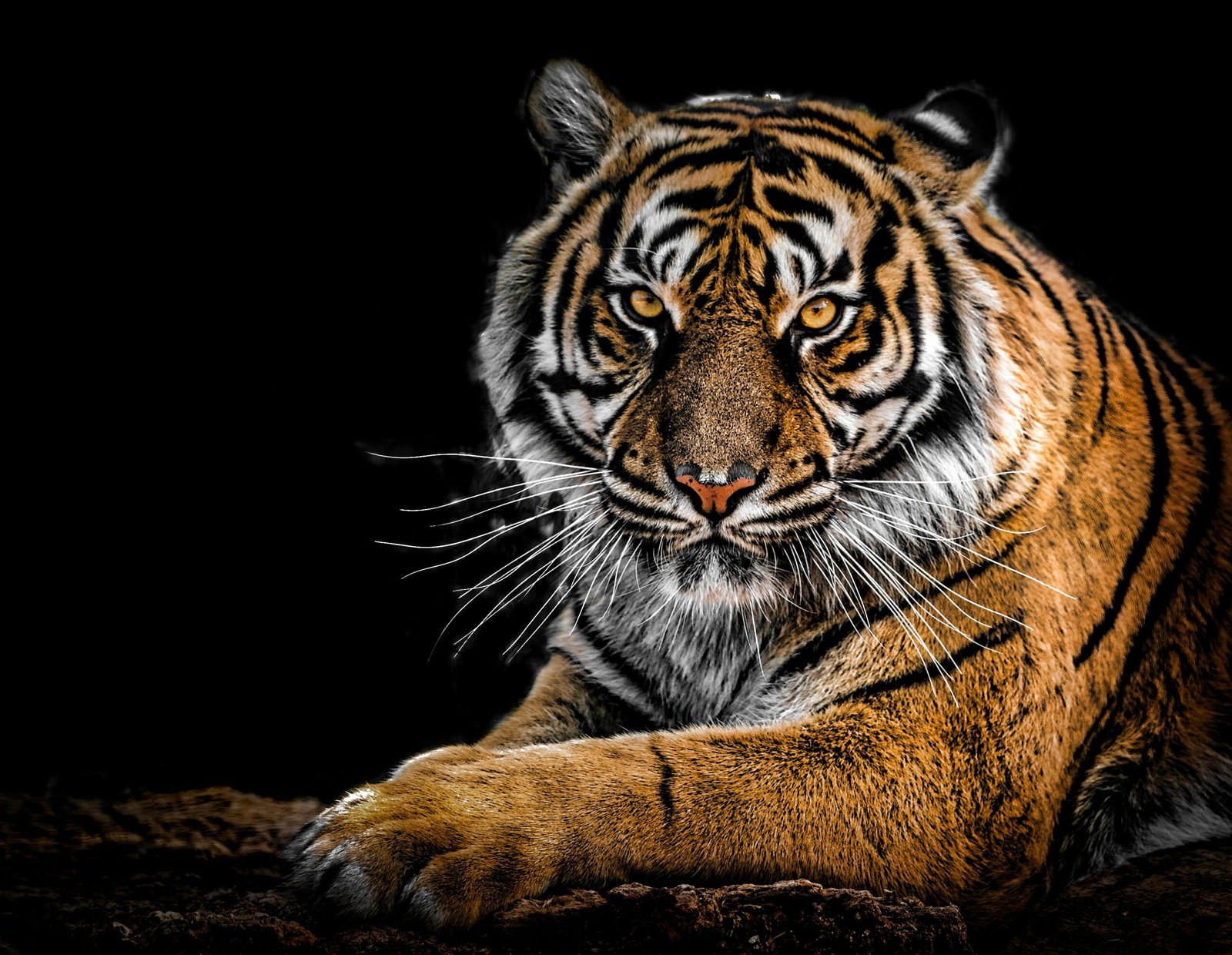
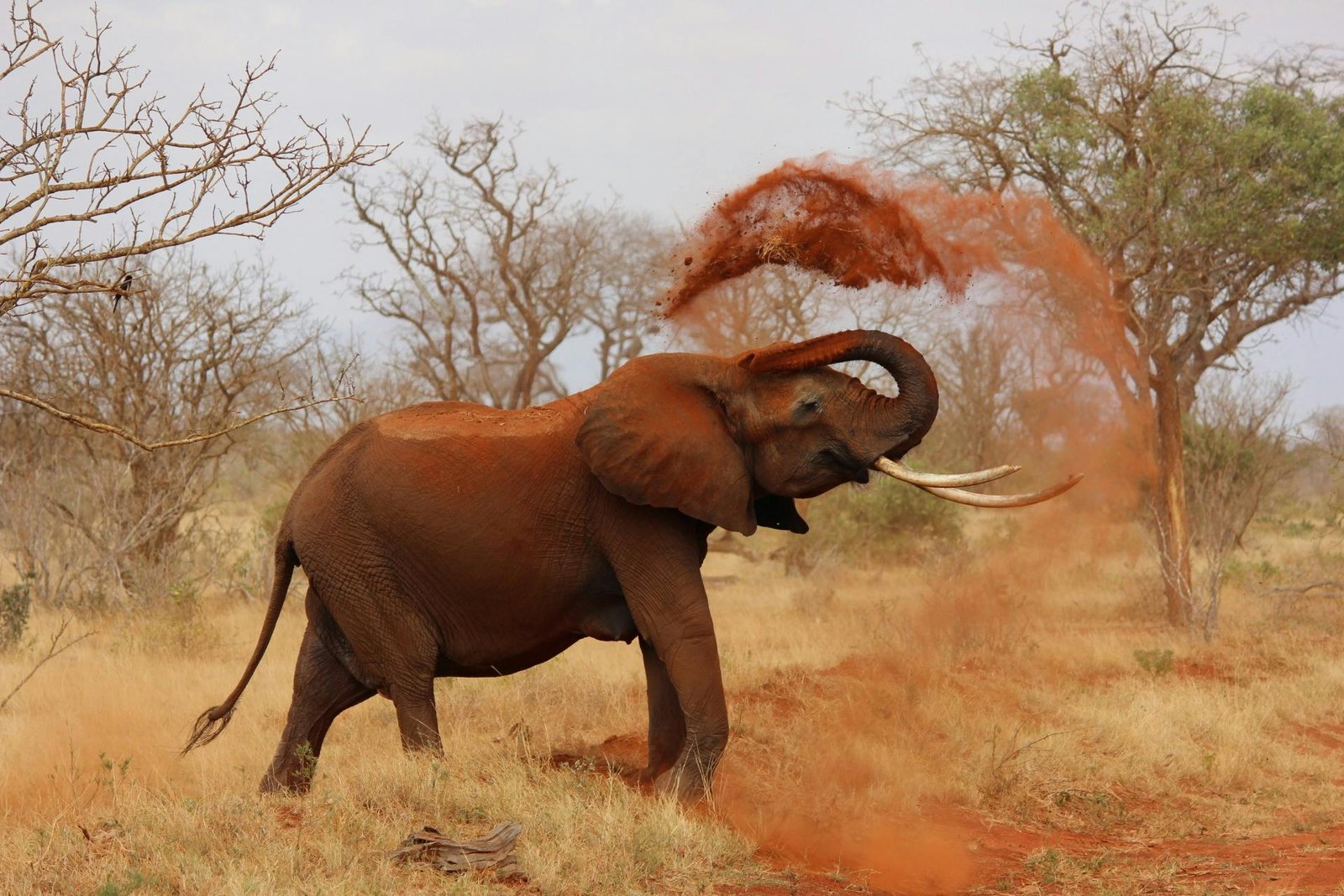
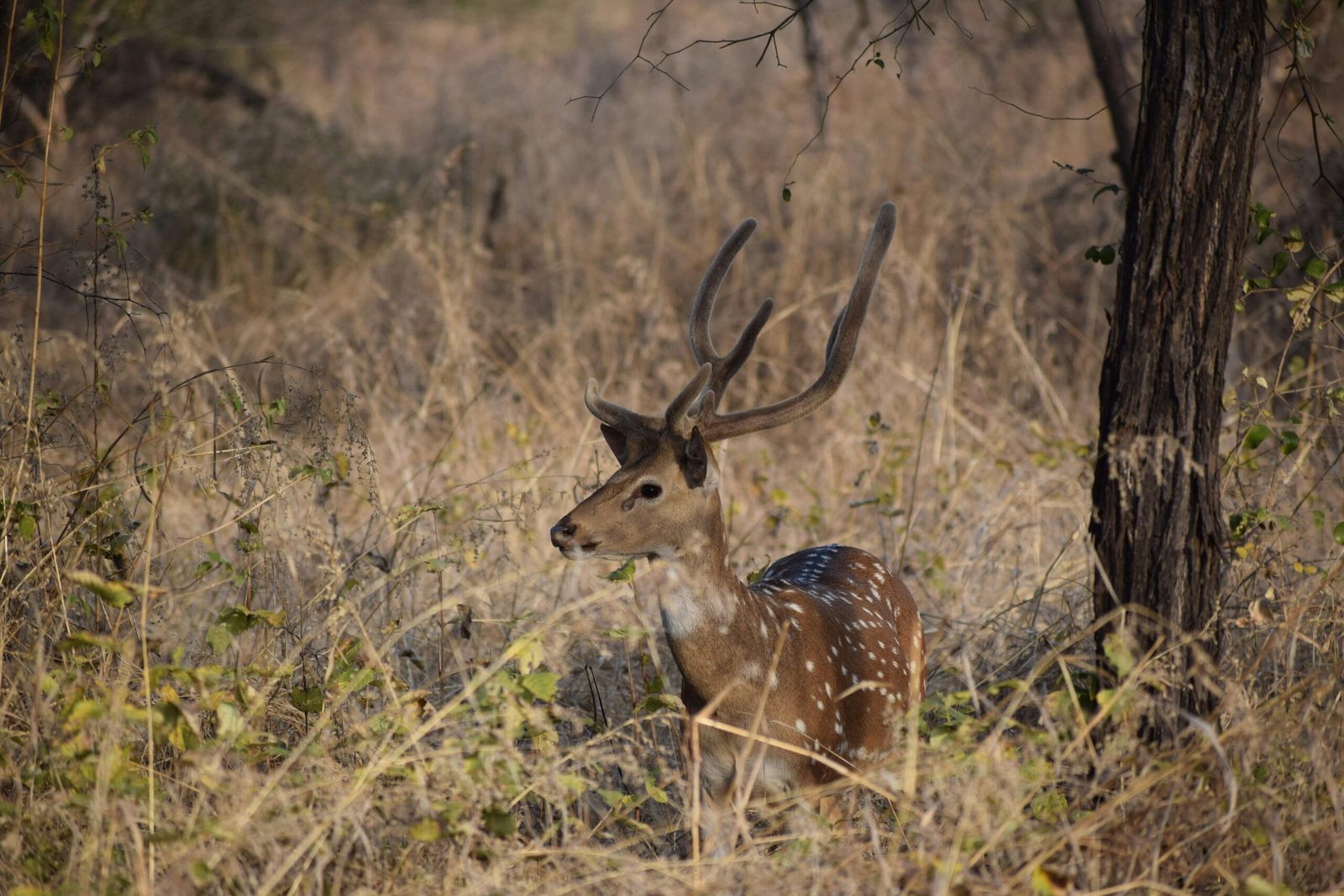
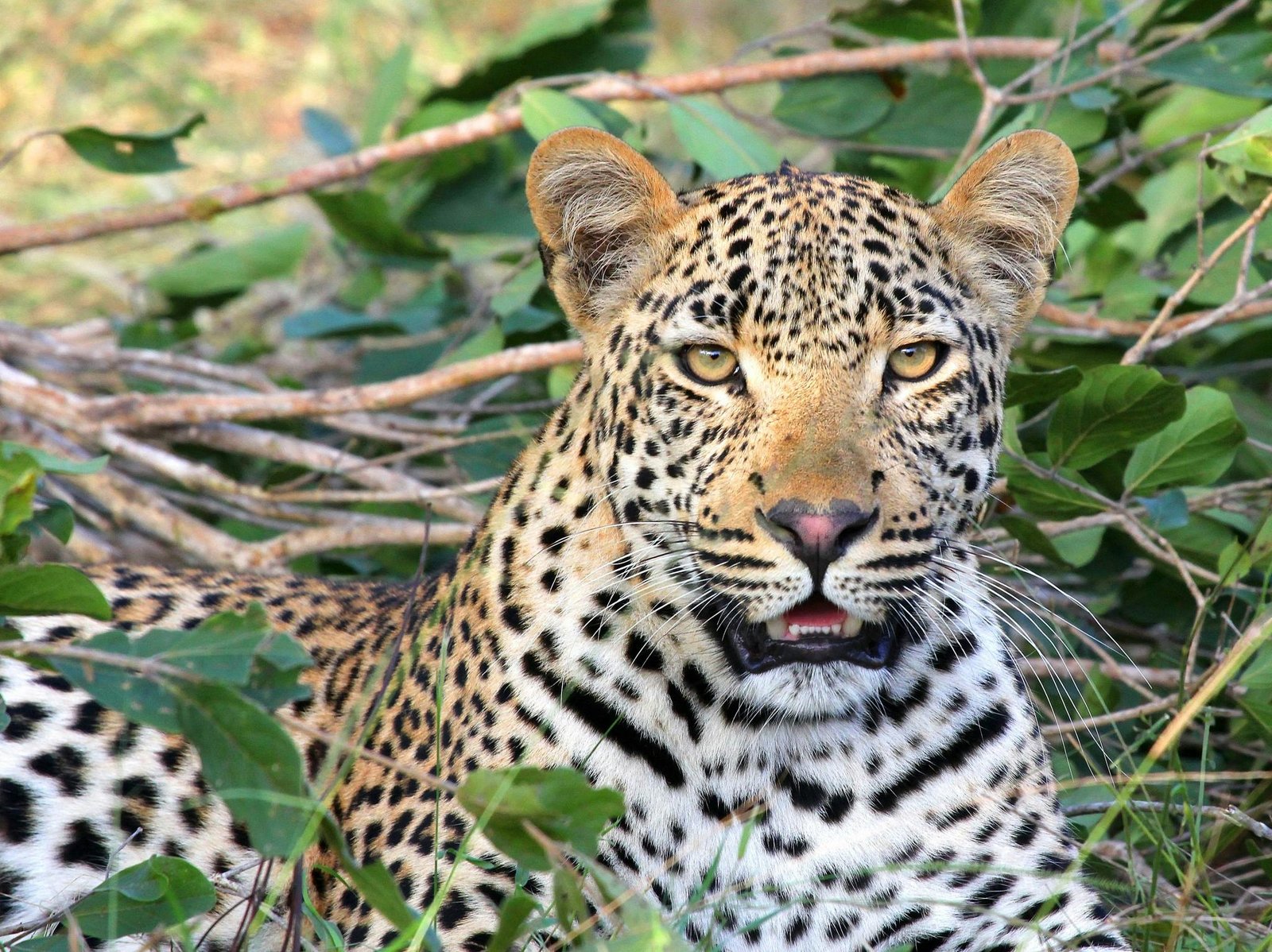
The Dhikala Zone Safari is renowned for sightings of the Royal Bengal Tiger and Asiatic Elephant. In addition to these iconic species, visitors can also spot a wide variety of wildlife, including hog deer, langurs, leopards, sambar deer, spotted deer, crocodiles, and wild boars. These animals can often be seen roaming freely in their natural habitat during the safari.
A Dhikala Canter Safari offers an unforgettable jungle experience, making it an ideal choice for nature lovers, wildlife photographers, and families seeking adventure. If you are planning a thrilling wildlife safari amidst pristine surroundings, Dhikala Zone is truly a destination not to be missed.
Canter Safari Experience in Dhikala Zone, Jim Corbett
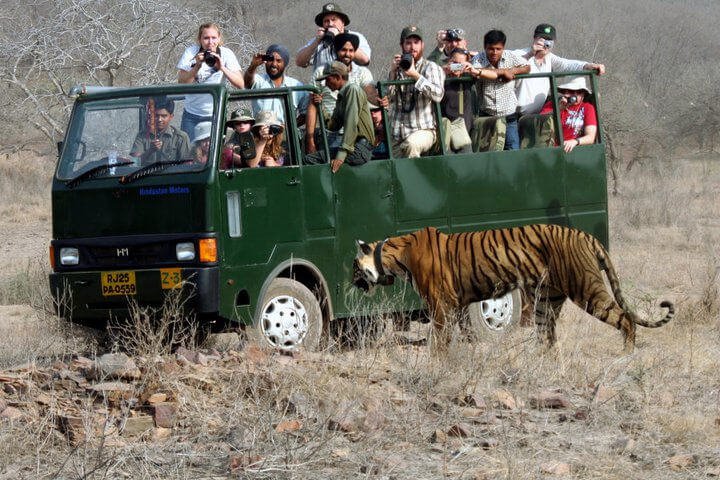
The Canter Safari is a popular option for visitors who want to explore the Dhikala Zone of Jim Corbett Tiger Reserve in a shared and budget-friendly way. Each canter can accommodate up to 16 passengers at a time. Children under 12 years of age are not required to purchase a separate ticket; however, parents may choose to book one. In such cases, the child is treated as an adult, and the full ticket fee applies.
The canter is a minibus-style vehicle designed for wildlife viewing and takes tourists deep into the Dhikala Zone, which lies at the heart of the Corbett Tiger Reserve. This zone is widely known for its rich biodiversity, scenic landscapes, and high chances of wildlife sightings, making it a favorite among nature and wildlife enthusiasts.
Canter safaris operate twice daily. The morning safari begins at 6:00 AM, while the afternoon safari starts around 12:00 PM. Each safari lasts for approximately five hours, offering ample time to observe wildlife and enjoy the natural surroundings without staying overnight at the Dhikala Forest Rest House.
The safari starts from the Dhangari Gate, which serves as the entry point to the Dhikala Zone. Once the required permit is obtained, visitors must hire a jeep along with a driver and a trained naturalist to enter the park and reach their allotted accommodation. During the safari hours, tourists can explore the zone’s diverse flora and fauna by canter, strictly within the permitted timings and guidelines
Learn More about Dhikala
Dhikala Canter Safari – A Perfect Choice for Day Visitors
The Dhikala Canter Safari is an ideal option for travelers who do not hold a permit for an overnight stay in the Dhikala Zone. Unlike other zones of Jim Corbett National Park, day jeep safaris are not permitted in Dhikala. Entry into this core zone is allowed only through an overnight forest stay permit or by opting for a canter safari, making it the best alternative for day visitors.
The Dhikala Forest Rest House (FRH), established in 1890, is situated on the edge of the picturesque Patli Dun Valley. It offers breathtaking panoramic views of the Ramganga River, with the Kanda Ridge creating a stunning natural backdrop. Dhikala FRH also holds immense historical significance, as it was here that Project Tiger was officially launched in 1973, marking a major milestone in wildlife conservation in India.
Visitors staying at Dhikala can choose from a variety of well-maintained accommodation options, including forest cabins, hutments, annexes, and log huts. These accommodations are designed to provide comfort while maintaining a close connection with nature. In addition to lodging, the Dhikala complex offers a complete wildlife experience with in-house dining facilities, experienced nature guides, jeep safari services, and a library for wildlife enthusiasts. Evenings can be spent watching wildlife documentaries or enjoying peaceful walks along designated forest trails.
To enter the Dhikala Zone, all visitors must obtain a safari entry permit, which must be presented to forest officials at the Dhangari Gate, the main entry point. Permits can be booked online up to 45 days in advance. Subject to availability, same-day permits may also be issued by the forest office in Ramnagar on a first-come, first-served basis.
In addition to the entry permit, hiring an authorised canter or jeep, along with a certified guide or naturalist, is mandatory for accessing the tiger reserve. Each canter or jeep can accommodate up to 16 adults (12 years and above), excluding the driver and guide. Due to high demand and the restriction of only 30 safari vehicles per shift in the Dhikala Zone—most of which are booked well in advance—it is highly recommended to reserve permits as early as possible.
Dhikala Safari Zone – The Heart of Corbett National Park
The Dhikala Safari Zone showcases the untouched natural beauty of Jim Corbett National Park and is considered the most picturesque region of the reserve. Celebrated for its rich biodiversity and breathtaking landscapes, Dhikala ranks among the top wildlife tourism zones in India. It is the largest of the five zones within the Corbett Tiger Reserve and features a striking mix of dense Sal forests, vast grasslands, narrow valleys, and multiple channels of the Ramganga River.
Flowing through the heart of the forest, the Ramganga River—often referred to as the lifeline of Corbett—enhances the zone’s scenic appeal while sustaining a wide range of flora and fauna. This river system plays a vital role in maintaining the ecological balance of the region.
The Dhikala Zone is especially famous for frequent sightings of the Royal Bengal Tiger and the Asiatic elephant. With a strong and healthy wildlife population, visitors often get opportunities to witness tigers in their natural surroundings and observe large herds of elephants roaming freely across the grasslands. The zone derives its name from the expansive Dhikala grassland, the largest grassland area within the Corbett Reserve.
In addition to tigers and elephants, Dhikala is home to a wide variety of wildlife species, including leopards, sambar deer, spotted deer, hog deer, langurs, wild boars, crocodiles, and numerous other mammals, reptiles, and bird species. This remarkable diversity makes the Dhikala Safari Zone a must-visit destination for wildlife lovers, photographers, and nature enthusiasts.
The Dhikala Watchtower is one of the most notable attractions in the Dhikala Zone, offering an excellent vantage point for observing wildlife and enjoying panoramic views of the surrounding landscape, including the nearby Ramnagar town. Positioned at a strategic height, the watchtower overlooks the vast Dhikala Chaur and stretches along the Ramganga River, making it an ideal spot for spotting animals in their natural habitat.
From the watchtower, visitors can witness wildlife grazing across the open grasslands or moving along the riverbanks, especially during early morning and late evening hours. Its elevated location provides uninterrupted views, enhancing opportunities for photography and wildlife observation.
Situated close to the Dhikala Forest Rest House, the watchtower is easily accessible for guests staying at the rest house. This convenience, combined with its exceptional views, makes the Dhikala Watchtower a must-visit spot for nature lovers, bird watchers, and wildlife photographers exploring the Dhikala Zone.
Crocodile Point, located next to the Gairal Forest Rest House in the Dhikala Zone, is a distinctive wildlife viewing area known for its permanent population of crocodiles. The site features a terrace-style viewing platform built above a natural pool, offering visitors a safe and elevated perspective.
From this platform, tourists can clearly observe gharial crocodiles resting, swimming, and engaging in their natural behaviour within the pool below. The calm setting and close proximity to the water make Crocodile Point an excellent spot for wildlife observation and photography. It is a must-visit attraction for nature enthusiasts exploring the Dhikala region of Jim Corbett National Park.
Chaurs of Corbett National Park – Prime Wildlife Viewing Areas
The expansive open grasslands of Corbett National Park are known as Chaurs. These vast meadows play a vital role in the park’s ecosystem and serve as excellent locations for wildlife sightings. The Chaurs, particularly those found in the Dhikala Zone, are among the best places to observe animals in their natural environment.
Dhikala is especially famous for its large and well-maintained Chaurs, which attract a wide range of wildlife including Royal Bengal tigers, Asiatic elephants, various species of deer, and wild boars. Due to the open landscape and abundant prey base, visitors frequently have the chance to spot tigers resting or moving through these grasslands. For wildlife enthusiasts and photographers, the Chaurs of Dhikala offer some of the most rewarding safari experiences in Jim Corbett National Park.
nvironmental Guidelines for Dhikala Zone Visitors
Alcohol and non-vegetarian food items are strictly prohibited within the Dhikala Zone.
Visitors are required to carry back all personal belongings and non-biodegradable waste, including plastic bottles, tin cans, glass containers, and metal foils, for proper disposal after the safari.
These rules are enforced to protect wildlife, maintain the natural ecosystem, and preserve the ecological balance of the Dhikala Zone in Jim Corbett National Park.
5/5
"You Will Feel So Much Excellent Than Thinking"
From 100+ Reviews




Location Maps
- Entry: Dhangari Gate is the main entry to Dhikala.
- Kosi River: A relaxing spot for riverside picnics and fishing.
- Crocodile Point (Gairal): A viewing spot for crocodiles in the river.
- Dhikala Forest Lodge/Rest House: The main hub, offering views of the Ramganga floodplains, large grasslands (chaurs), and wildlife
Dhikala Canter Safari operates only from November 15th to June 15th of every year. It is closed for the remaining time due to the rainy season.
Safari Shift
Morning
Evening
Winter Timings
06:30 AM to 08:30 AM
03:00 PM to 05:00 PM
Summer Timings
06:30 AM to 08:30 AM
03:00 PM to 05:00 PM
Wild Root Corbett is a private travel agency that offers online safari package bookings, accommodations, hotel stays, pickup and drop services, local sightseeing, and customizable tour packages for Jim Corbett National Park.
- Ramnagar 244715
- +91 98977 66886
- info@wildrootscorbett.com
Newsletter
Join our community of over 20,000 global readers who receive emails filled with news, promotions, and other good stuff.